6 Beverage Brands Pouring into Partnerships
According to recent data from The Grocer and Field Agent, only 36% of consumers now cite familiar branding as a driver of soft drink selection, highlighting a significant shift away from traditional “big brand” dominance (thegrocer.co.uk).
This is due in large part to the category being reshaped by changing consumer priorities: functional benefits, healthier ingredients, low and no sugar options, and natural formulations are disrupting long-established purchasing habits. At the same time, younger audiences are increasingly driven by flavour exploration, limited editions, collectability and experience-led consumption.
Responding to these changes, we’ve seen a rise in new drinks brands enter the market. Offering never-before seen levels of choice in the category, disruptor and challenger drinks brands are eroding consumer loyalty towards established brands and encouraging switching.
The result is that iconic and fast-growth brands alike need to deliver not only on features and benefits, but also differentiation, salience and meaningfulness.
That’s why we’re seeing an increasing number of drinks brands turning to partnerships to build emotional connection, cultural credibility and new consumption occasions.
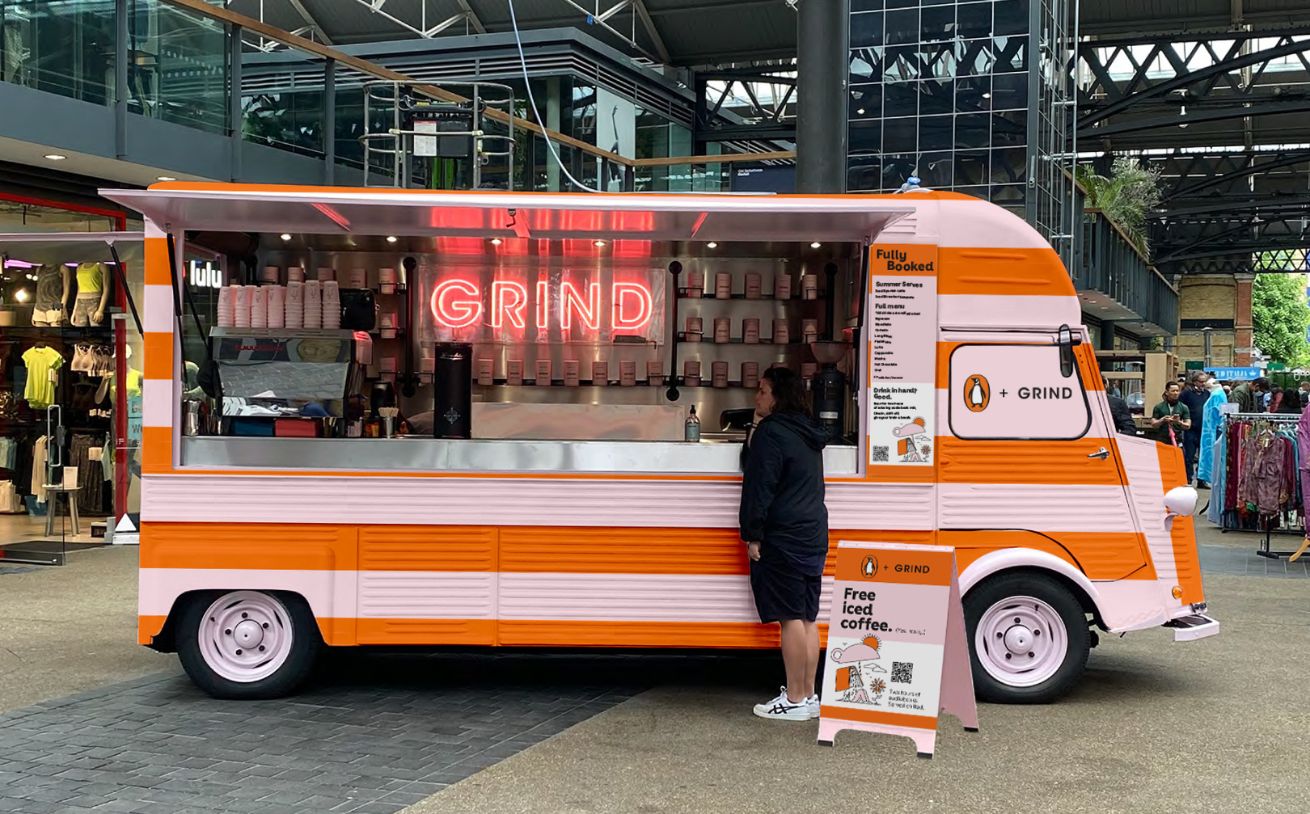
Grind’s recent collaboration with Penguin Books for a “Fully Booked” university campus pop-up was designed to help students recharge during exam season through coffee, reading culture and immersive branding experience. The partnership taps into an audience mindset, positioning coffee as part of a broader lifestyle rooted in culture, creativity and ritual.
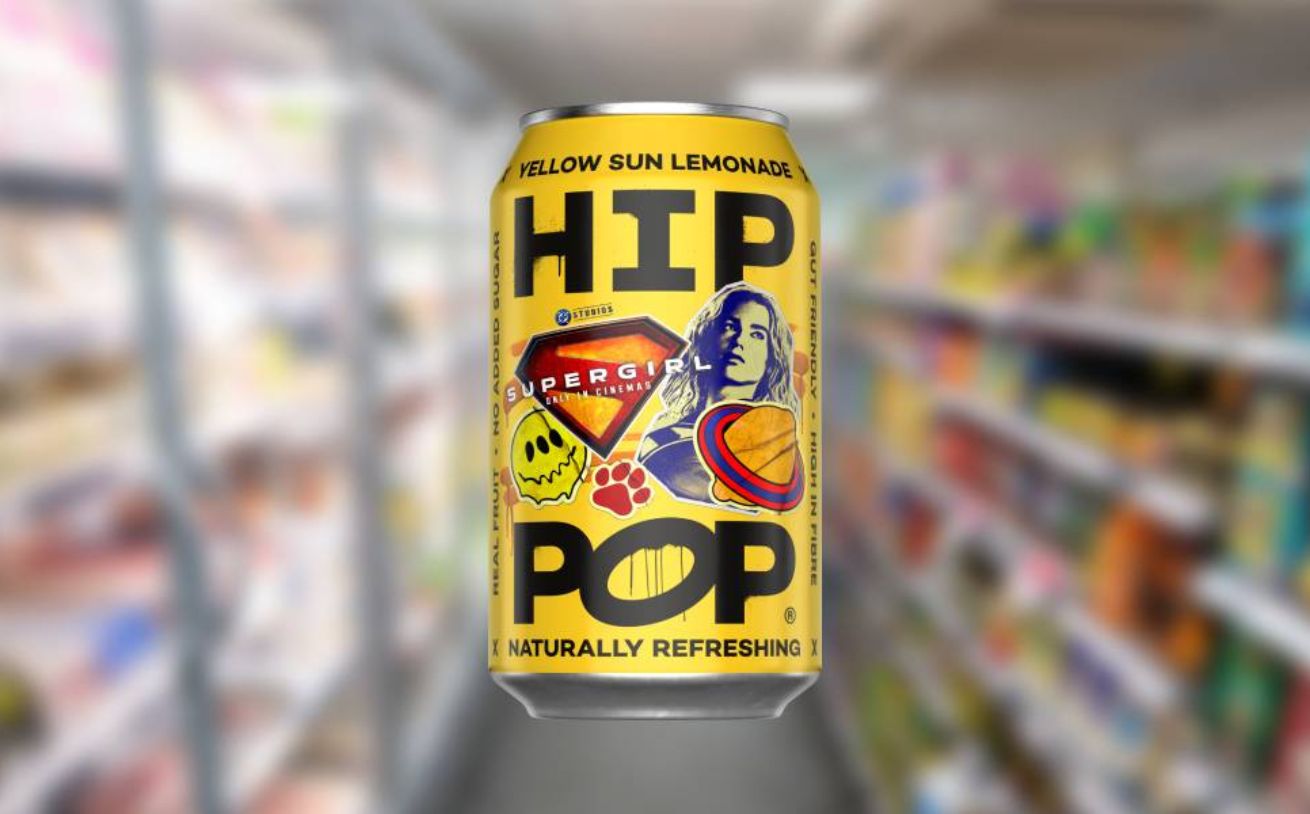
For challenger brands, partnerships can accelerate awareness and unlock emotional relevance quickly. Hip Pop’s collaboration with the new Supergirl movie demonstrates how entertainment IP can bring personality, energy and cultural visibility to a fast-growing functional drinks category that is otherwise becoming increasingly crowded with similar wellness messaging.
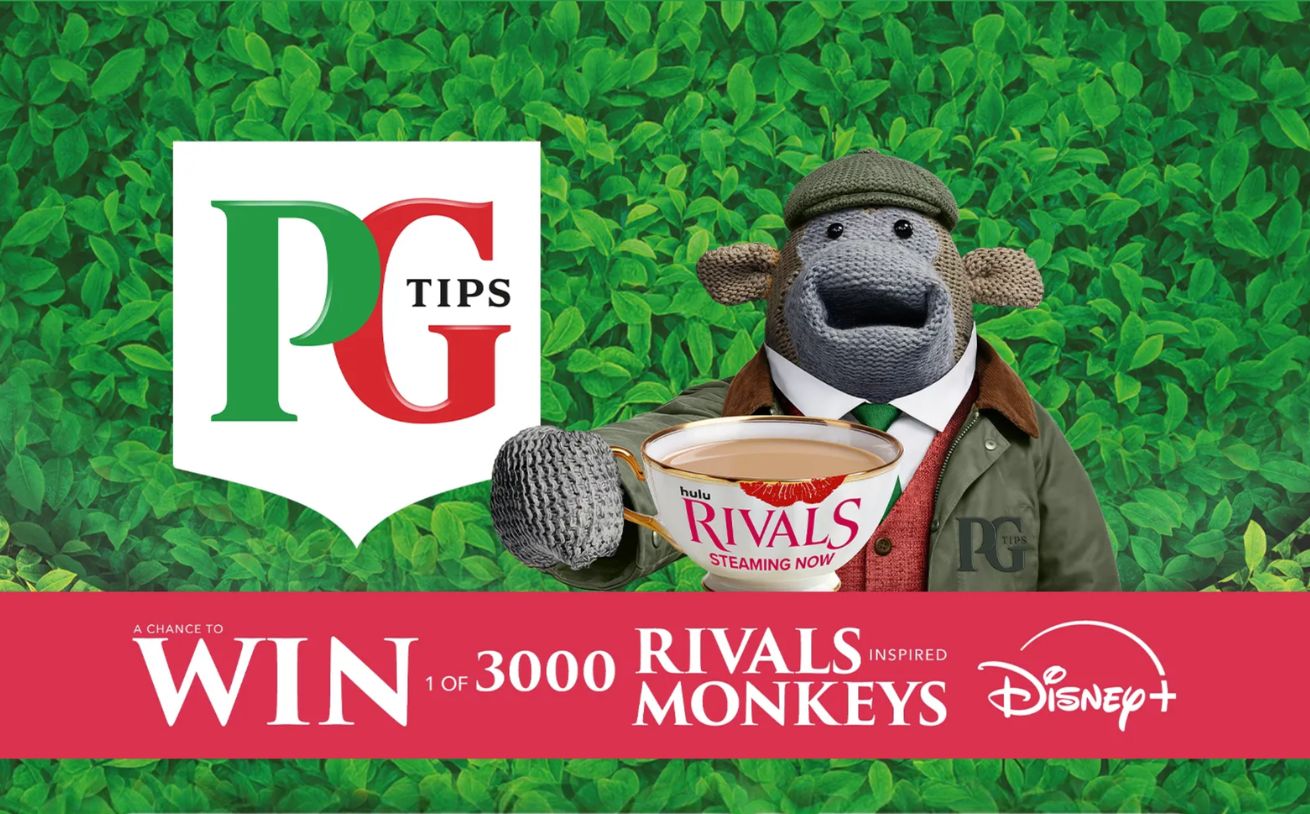
Heritage brands are also using partnerships to modernise perception and reconnect with younger consumers. PG Tips’ partnership with Rivals is a clear example of how established brands can leverage entertainment and nostalgia-led viewing moments to remain culturally visible beyond traditional advertising environments.
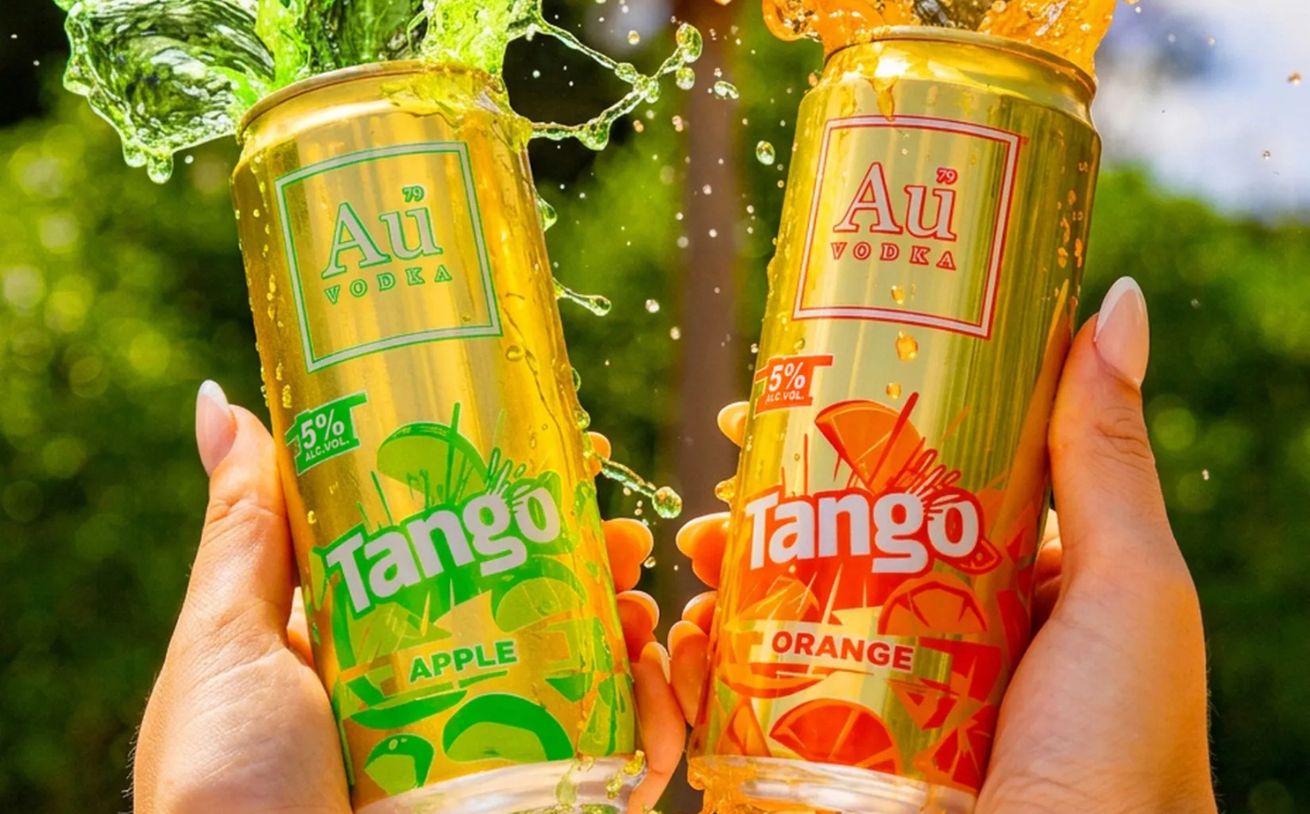
Meanwhile, Tango x AU Vodka shows the growing power of unexpected brand-to-brand collaborations. The partnership blurs the lines between soft drinks, nightlife culture and social-first marketing, creating conversation, memorability and online traction in a way that traditional campaigns often struggle to achieve. Increasingly, drinks brands are recognising that collaborations can generate earned attention and social currency far more effectively than standalone campaigns.
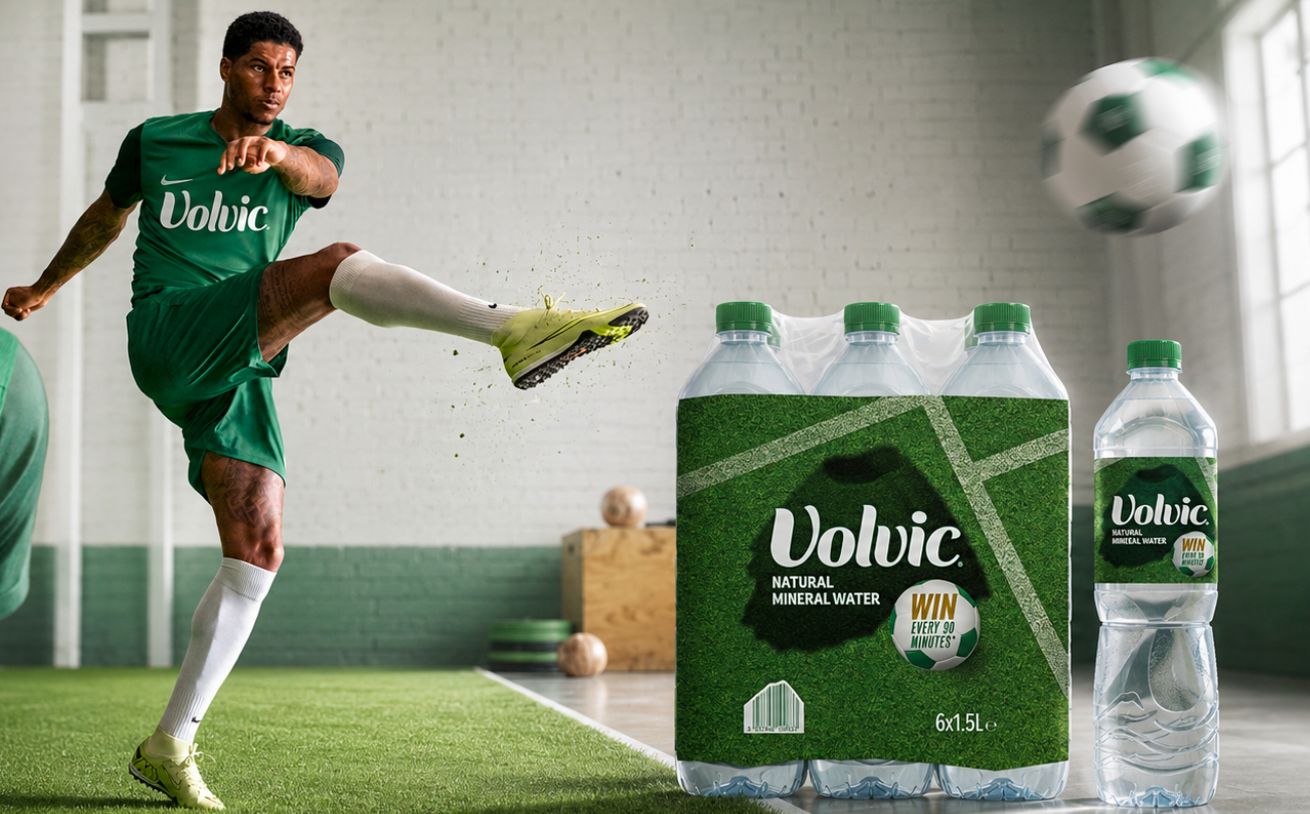
Volvic’s collaboration with Marcus Rashford leverages the cultural energy of a major sporting moment with the FIFA World Cup through ambassador talent and relevance. The partnership reinforces how healthier hydration brands are using sport, performance and athlete credibility to strengthen perceptions around wellbeing, active lifestyle and everyday functionality.
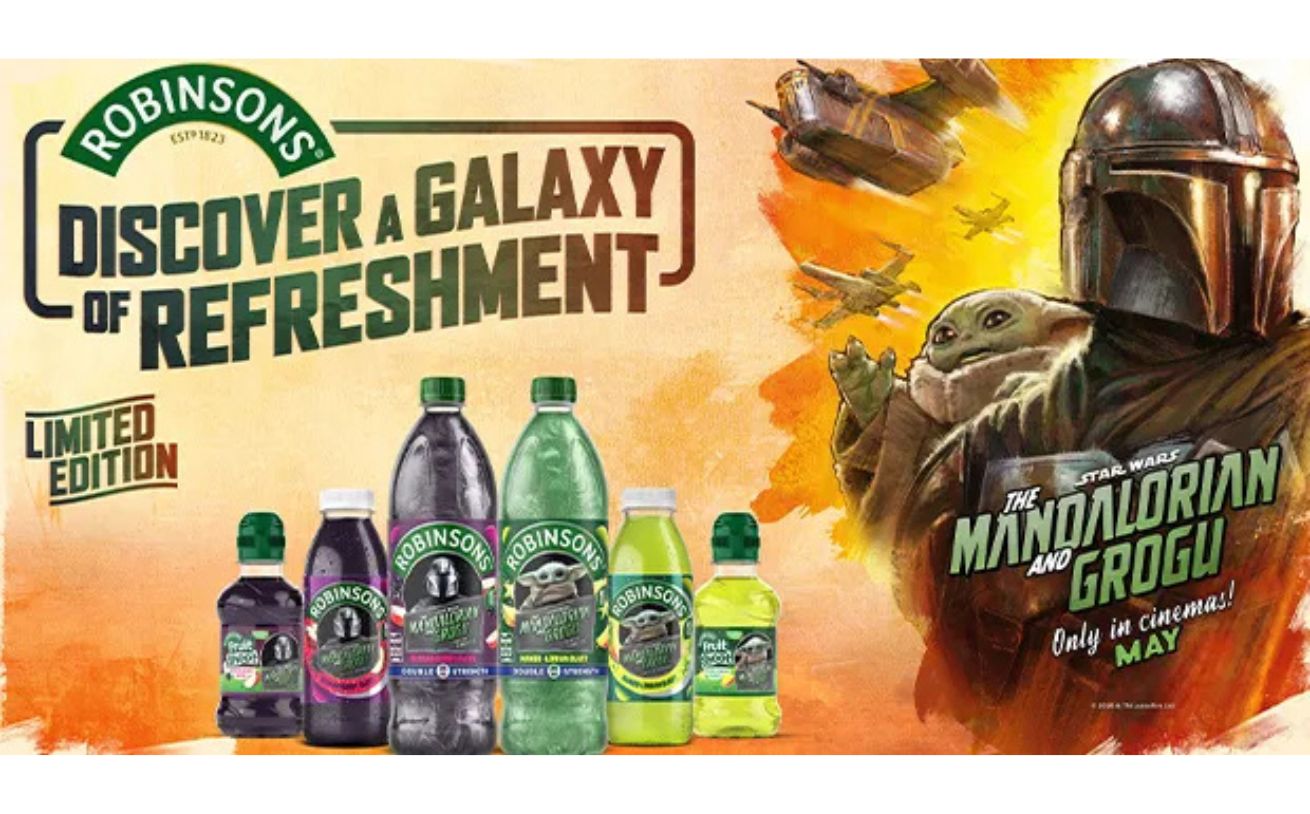
And importantly, partnerships are proving particularly effective at driving family and fandom engagement. Robinsons’ collaboration with The Mandalorian and Grogu demonstrates how entertainment licensing can transform an everyday grocery product into a culturally relevant, collectible and conversation-driving experience, particularly with younger households.
For drinks brands, the lesson is increasingly clear: partnerships are now strategic growth levers that help brands:
- tap into existing communities and fandoms
- create new consumption occasions
- generate social conversation
- drive limited-edition excitement
- and build emotional relevance in categories where functional differentiation alone is no longer enough.
As competition intensifies across soft drinks, alcohol and hot beverages alike, the brands winning attention are often the ones embedding themselves into culture, rather than simply advertising around it.Brand Culture’s Coca-Cola Zero Caffeine Zero Sugar partnership with the new James Bond 007 First Light video game from IO Interactive is a case in point.
In a market where familiarity alone no longer guarantees purchase, partnerships are giving drinks brands a new way to stay discoverable, desirable, on-trend, and culturally connected.
If your brand is looking to build culturally relevant partnerships that drive awareness, conversation and consumer connection, get in touch with us. We help brands identify, shape and activate partnerships that cut through crowded markets and create genuine cultural impact.
Brand fame & fortune awaits.