Bridgerton, Brands and the Product Placement Myth
The launch of the new season of Bridgerton brings with it a raft of brand partnerships which offer a timely reminder that, in entertainment partnerships, brands do not need to be product placed to drive real marketing value.
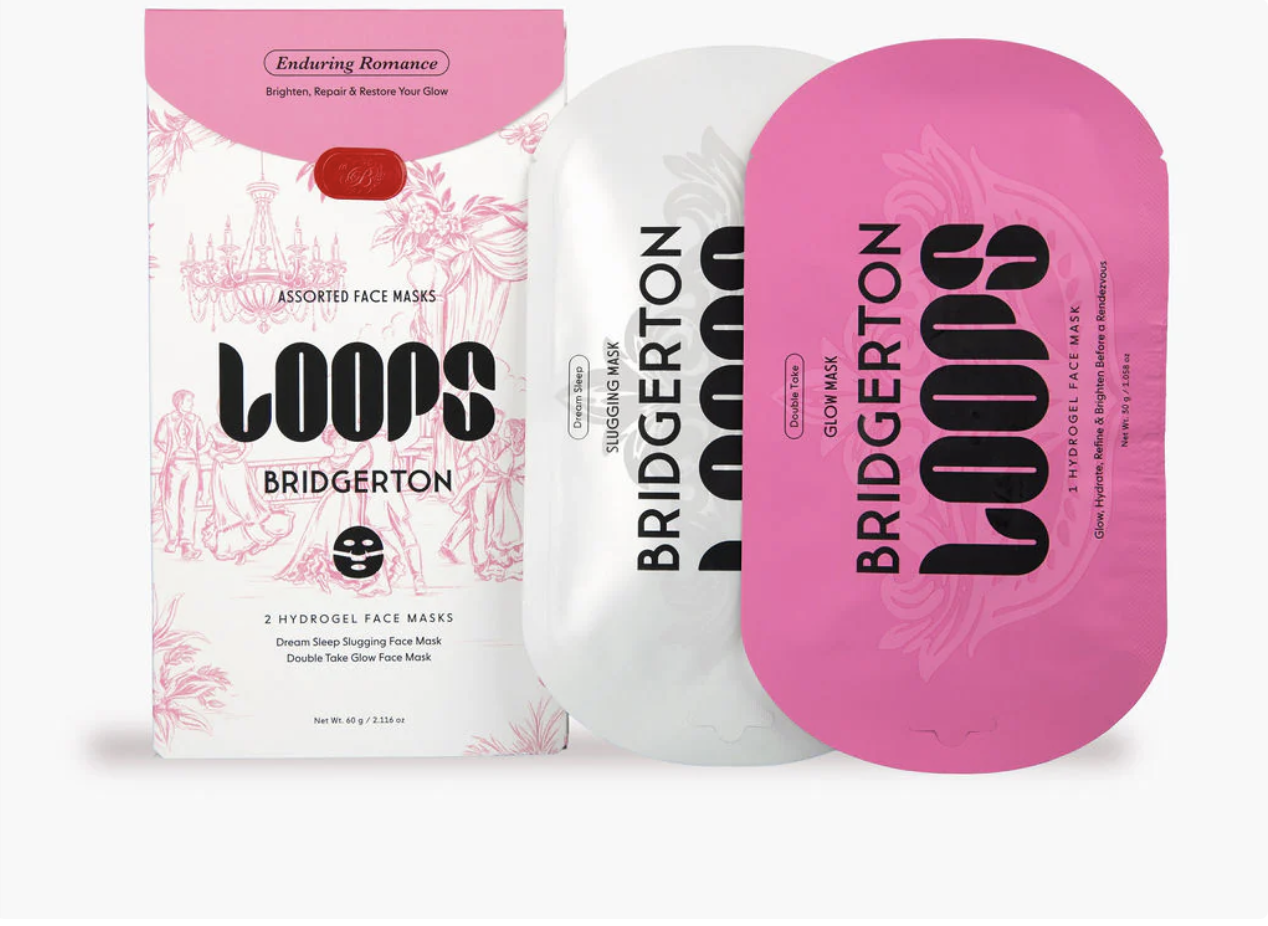
This season, Netflix has partnered with Loops Beauty, Nivea and Pandora, capitalising on fans’ enduring love of the series and the continued rise of Regencycore as a cultural trend.
Of course, there are no modern body wash bottles, lip balms or face masks appearing on screen. That would of course feel anachronistic and, frankly, odd! Yet the partnerships work because they are a natural extension of Bridgerton’s aesthetic, rooted in association, shared audience, brand fit and storytelling relevance.
And this is where many early brand & entertainment conversations, unfortunately, never really get started.
In my experience of discussing entertainment partnership opportunities with brands, I’ve been asked the following question more times than I can remember: “Are we product placed?”
If the answer is no, interest can quickly fade. This is perhaps an understandable, if rather shortsighted, instinct: product placement is visible, tangible and easy to point to. But the reality is that most brand and entertainment partnerships are not reliant on product placement at all.
They are built to deliver different objectives - and should be measured through a different lens. Product placement primarily delivers brand association within the narrative itself. This can be powerful, but is only one possible outcome of a partnership, not the defining measure of success.
When brands step back from a placement-first mindset, the opportunity widens significantly.
Partnerships without product placement can:
- Build meaning through cultural and emotional association
- Drive buzz, conversation and earned media around a cultural moment
- Create desire via exclusive or limited-edition products and drops
- Incentivise purchase through themed promotions and storytelling
- Drive traffic and engagement through content, experiences and offers that highlight brand features and benefits
In many cases, these mechanics are more commercially effective than a fleeting onscreen appearance.
When the Brand Leans Into the Anachronism
One of my favourite Bridgerton partnerships from the previous season was Flonase - a nasal hayfever spray that, quite obviously, did not exist in the Regency period. Rather than forcing relevance or pretending otherwise, Flonase’s marketers did something far more effective: they acknowledged the mismatch and play with it. In their advert, Bridgerton-style characters are plagued by sneezes and runny noses. They rush to the local apothecary in search of relief. A remedy is carefully mixed… before the voiceover tells us the punchline: unfortunately, this product won’t be available for around another 200 years. It’s playful. It’s self-aware. And it makes the point beautifully.
The brand was not product placed. The product was not shown being “used” in-world. And yet the association was unmistakable - and highly memorable. Crucially, the campaign respected the narrative, rather than disrupting it.

Downton Abbey x Tyrrells: Proof That Placement Isn’t the Point
In a similar vein, Tyrrells Crisps weren’t put off by the fact that their brand didn’t exist in the 1930s when we partnered them with Downton Abbey The Grand Finale movie.
The limited-edition premium and whimsical NPD flavour was inspired by the world, tone and heritage of Downton Abbey, carefully crafted to feel authentic to both the brand and the property.
Tyrrells were not placed in the film, and yet the partnership delivered:
- Strong cultural relevance at the moment of release
- A clear reason to buy through exclusivity and storytelling
- An exclusive product that fans felt emotionally connected to
Some Worlds Shouldn’t Be Interrupted
Insisting on product placement doesn’t just limit creative thinking, it actively rules brands out of some of the most powerful live action and animated IP in the world.
For example, while placing a modern soft drink into a Star Wars film would feel completely wrong, a pure-play promotional partnership such as our Full Force Zero Sugar campaign was a natural, believable alignment between brand and IP.
If every partnership required literal product usage, most entertainment partnerships would never get off the ground.
When Product Placement Does Make Sense
There are, of course, occasions where product placement and “back-end” activation align beautifully. But these deals typically:
- Require greater investment and longer lead times
- Come with tighter creative constraints
- Do not automatically deliver stronger outcomes than non-placed partnerships More visibility does not always equal more effectiveness.
The Reframe Brands Need to Make
For marketers, the most effective brand and entertainment partnerships should start with a different question:
What is this partnership designed to achieve for our brand and our audience?
Product placement is one possible executional route. Cultural relevance, commercial impact and brand meaning are the real objectives.
The brands that understand this are the ones unlocking partnerships that truly perform, without ever needing to be product placed.
Brand fame & fortune awaits.