“Moving at the speed of culture” isn’t wrong, it’s just incomplete
The phrase “moving at the speed of culture” has become a commonly repeated idea in modern marketing.
But as Ian Darby recently highlighted in Contagious, it also risks becoming more buzz phrase than meaningful strategy.
His challenge? Culture doesn’t really move that fast anymore.
And it’s true, the biggest cultural shifts are rarely overnight moments. They are built over time, shaped through sustained behaviours, communities and creativity.
As Darby points out, Charli XCX didn’t create hyperpop in a week. Netflix didn’t suddenly discover K-pop when KPop Demon Hunters landed. These are the results of long-term cultural investment, not reactive execution.
And yet, there’s a risk in overcorrecting.
The False Choice Between Strategy and Reaction
It’s easy to interpret this shift as a reason for brands to step back.
To avoid reacting.
To focus only on long-term cultural platforms.
But that creates a false choice.
The most effective brands don’t choose between strategic and reactive.
It is precisely that their long term strategic brand building allows them to be culturally reactive in ways unique to the brand.
Culture Is Built Slowly…But Experienced in Real Time
Take Netflix’s approach to K-pop.
This is a clear example of long-term cultural investment - identifying a movement early, understanding it deeply, and backing it over time.
But alongside this, we see brands successfully showing up in more immediate, seemingly reactive ways.
Greggs leaning into the gravy trend with its KFC-inspired pastry sharing bucket.
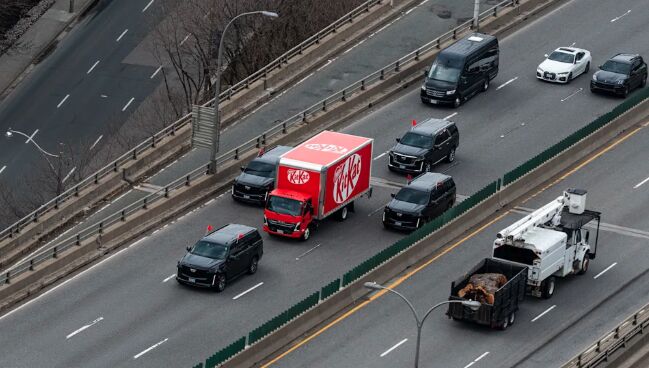
KitKat turning a stolen truck of product into a playful, culturally relevant moment.
On the surface, these look reactive.
But in reality, they are anything but.
Because they are grounded in something far more deliberate.
Reactive Doesn’t Mean Random
The most effective reactive activations are not spontaneous acts of opportunism.
They are expressions of an already defined cultural role.
Greggs’ irreverent, culturally tuned tone leading to a KFC collab.
KitKat’s long-standing ability to inject humour into everyday moments making light of a robbery of their product.
The tone, the wit, the timing - all consistent with how these brands have shown up over time.
That consistency is what makes the difference.
Reactive moments shouldn’t feel like a brand joining culture late, or trying to create it out of nowhere.
They should feel like a brand continuing its role within it.
From Participation to Expectation
When brands get this right, audiences don’t question why a brand is showing up.
They begin to expect it.
In some cases, they even welcome it. Because the brand has earned its place within that cultural space.
This is where partnerships and activations start to feel inevitable rather than engineered.
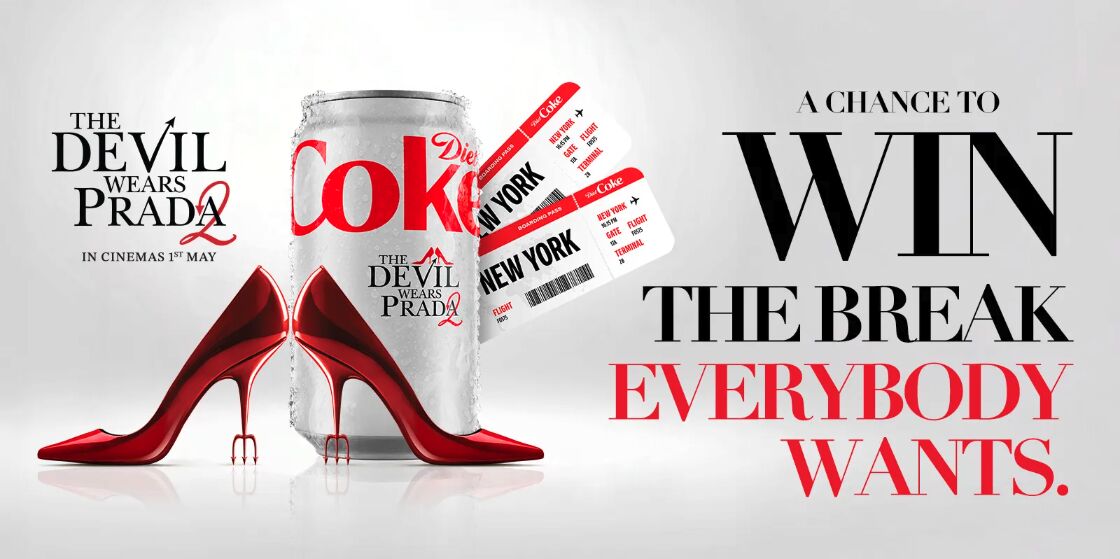
A Diet Coke x The Devil Wears Prada 2 collaboration under the tagline “That’s all".
A Costa Coffee “Catch-a-Matcha” experience building on both a macro trend and existing product equity.
Not necessarily obvious.
But entirely natural.
Designing a Strategy That Enables Both
The implication for brands is clear.
The goal isn’t to move faster.
It’s to build a culture strategy strong enough to move with purpose.
One that allows for:
- Long-term cultural investment, building depth, credibility and meaning
- Reactive moments, maintaining relevance and real-time participation
But crucially, both must be anchored in the same foundations:
- A clearly defined cultural role for the brand
- Consistency in tone, behaviour and partnerships
- A deep understanding of the audiences and communities being engaged
Without this, reactive activity risks feeling opportunistic. With it, it becomes a powerful reinforcement of relevance.
From Speed to Intent
“Moving at the speed of culture” isn’t wrong.
But on its own, it’s incomplete.
Because speed without strategy leads to noise.
And strategy without participation risks invisibility.
The real opportunity lies in combining both.
Building a culture strategy that not only defines where a brand plays, but also how it shows up - consistently, credibly and with intent.
So that when a brand does move fast, it isn’t chasing relevance…
it’s reinforcing it.
Brand fame & fortune awaits.