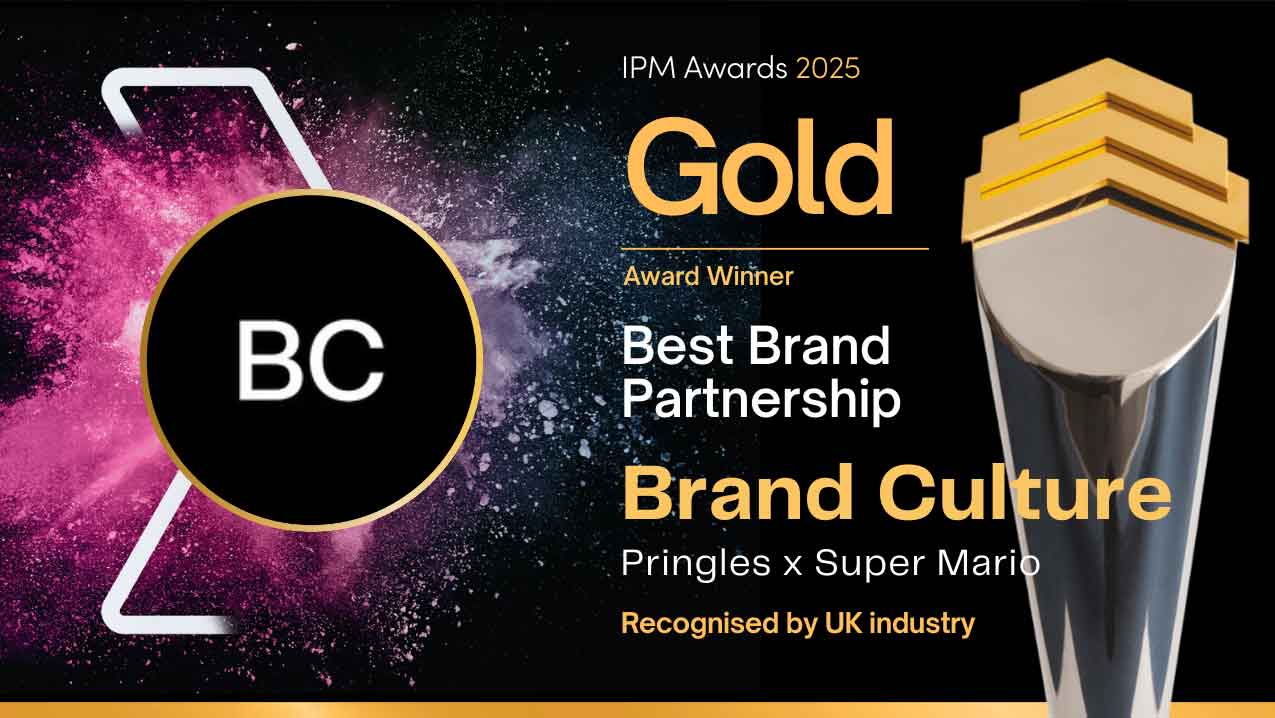
The Power of In-Game Rewards to Drive Brand Growth

For many CPG brands, traditional on-pack promotions are no longer delivering the same level of impact they once did.
Price promotions deliver a short-term spike but fade fast - and too often do so at the expense of already-tight margins. Sweepstakes promise the world but feel increasingly unobtainable unless the frequency-value equation is perfectly calibrated. Loyalty mechanics, meanwhile, struggle to live beyond the moment of purchase; if the reward ends at the till, you’re not building advocacy, you’re renting attention.
As shoppers become more selective about what they engage with, brands are being pushed to rethink how they add value - shifting away from purely transactional mechanics towards rewards that feel genuinely worth someone’s time.
The Strategic Unlock: Why Gaming Changes the Equation
This is where partnerships with video game companies come into their own.
In-game rewards - whether cosmetics, items, XP boosts, or virtual currency - offer a powerful growth lever for CPG brands. Done well, they excite retailers, engage shoppers, and drive incremental volume, while embedding brands inside the cultural ecosystems their audiences already care about.
Levelling Up Value: Why In-Game Rewards Feel Different
At their core, free in-game rewards unlocked via on-pack promotions deliver disproportionately high perceived value because they tap directly into the same motivations that underpin the €50bn+ global market for digital goods.
Cosmetic skins, exclusive items, and progression boosts offer:
- Monetary value - content players might otherwise pay €5–€20 for
- Functional value - saving time or accelerating progress
- Social value - identity expression, rarity, and status signalling within a community
Scarcity and exclusivity heighten this effect: when the only way to obtain an item is by purchasing a pack, it instantly becomes desirable, conferring both personal satisfaction and community recognition. Research on digital goods and consumer psychology confirms that rarity, ownership, and the “zero-price effect” amplify the perceived worth of these rewards well beyond their marginal cost.
For brands, this creates a compelling way in: embedding themselves within passion points and cultural moments that matter to fandoms and communities. But access alone isn’t enough. Showing up with a reward might get you through the door; knowing how to behave once you’re inside is what earns you a seat at the table. In spaces where attention is hard-won, cultural fluency matters as much as what you bring.
Added Value for Non-Gamers and Why It Works at Shelf
One of the most overlooked strengths of in-game rewards is that they don’t rely on everyone being a gamer to work at retail.
The shopper is just as important as the end consumer - they’re the gatekeeper with the purchasing power. And you don’t need to play games to understand that an in-game reward may have value to someone you care about.
For non-gamer shoppers, these promotions reframe the product as a gift-with-purchase that benefits the household. Parents and partners see instant utility (“my son/daughter will love this”), social capital (“I got this for them”), and a sense of being a smart shopper. Importantly, this adds value rather than subtracting it - unlike discounts, which erode price integrity.
The result is a clear retail upside:
- Increased brand consideration
- Stock-up behaviour (multiple purchases, multiple codes)
- Larger baskets
- Strong retailer support, because volume grows without margin erosion
What’s happening is a dual perception shift. Gamers value the intrinsic appeal of exclusive, identity-driven digital content. Shoppers value the extrinsic benefit of gifting, household relevance, and deal-savviness. Both anchor the reward against real willingness-to-pay benchmarks in gaming, meaning even a “free” cosmetic is implicitly understood as a €10 gain.
Designing for Certainty: Why Many Small Rewards Beat One Big Prize
Traditional promotions often hinge on a single, high-value prize, such as a holiday, a car, or a once-in-a-lifetime experience. While appealing, these prizes aren’t relevant to everyone, and most shoppers never expect to win them.
In-game reward campaigns take a different approach. Instead of one distant prize, they offer many tangible rewards that people know they will receive. Every pack unlocks something of value, and that certainty helps drive buying behaviour, making the difference between “enter to win” and “unlock to enjoy.”
When shoppers know there’s a guaranteed outcome, participation increases, repeat purchases follow, and engagement becomes active rather than passive.
Power-Ups in Action: Best-in-Class Examples
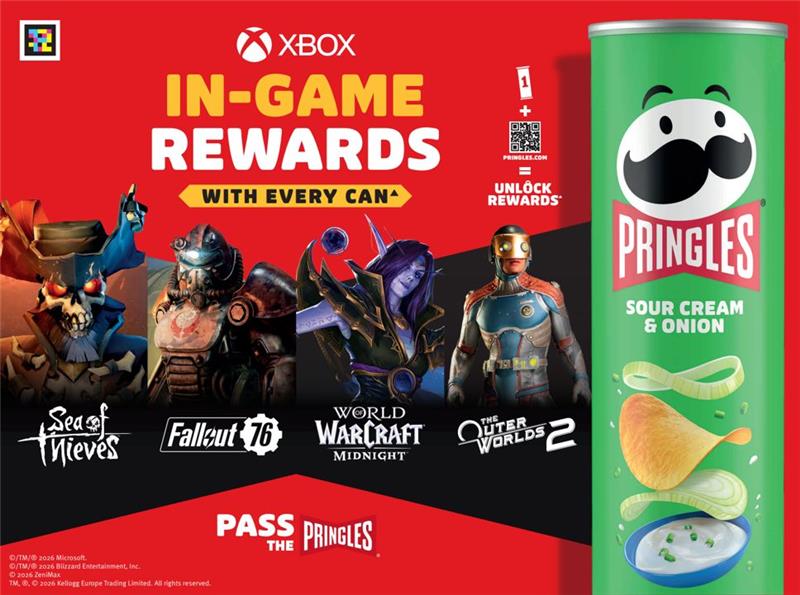
Pringles’ partnership with Xbox is a strong example of in-game rewards in action. The Fallout 76-inspired “Mystery Flavour” campaign rolled out across the UK and EU with limited-edition packaging featuring artwork from major Xbox titles including Fallout 76, Sea of Thieves, The Outer Worlds 2 and World of Warcraft: Midnight.
Each pack included a QR code unlocking exclusive in-game rewards with every can, alongside entries into larger prize draws. By aligning with popular titles and recognizable franchises, the promotion tapped into a massive, engaged gaming audience, bringing cultural relevance and shelf excitement to the snacking aisle.
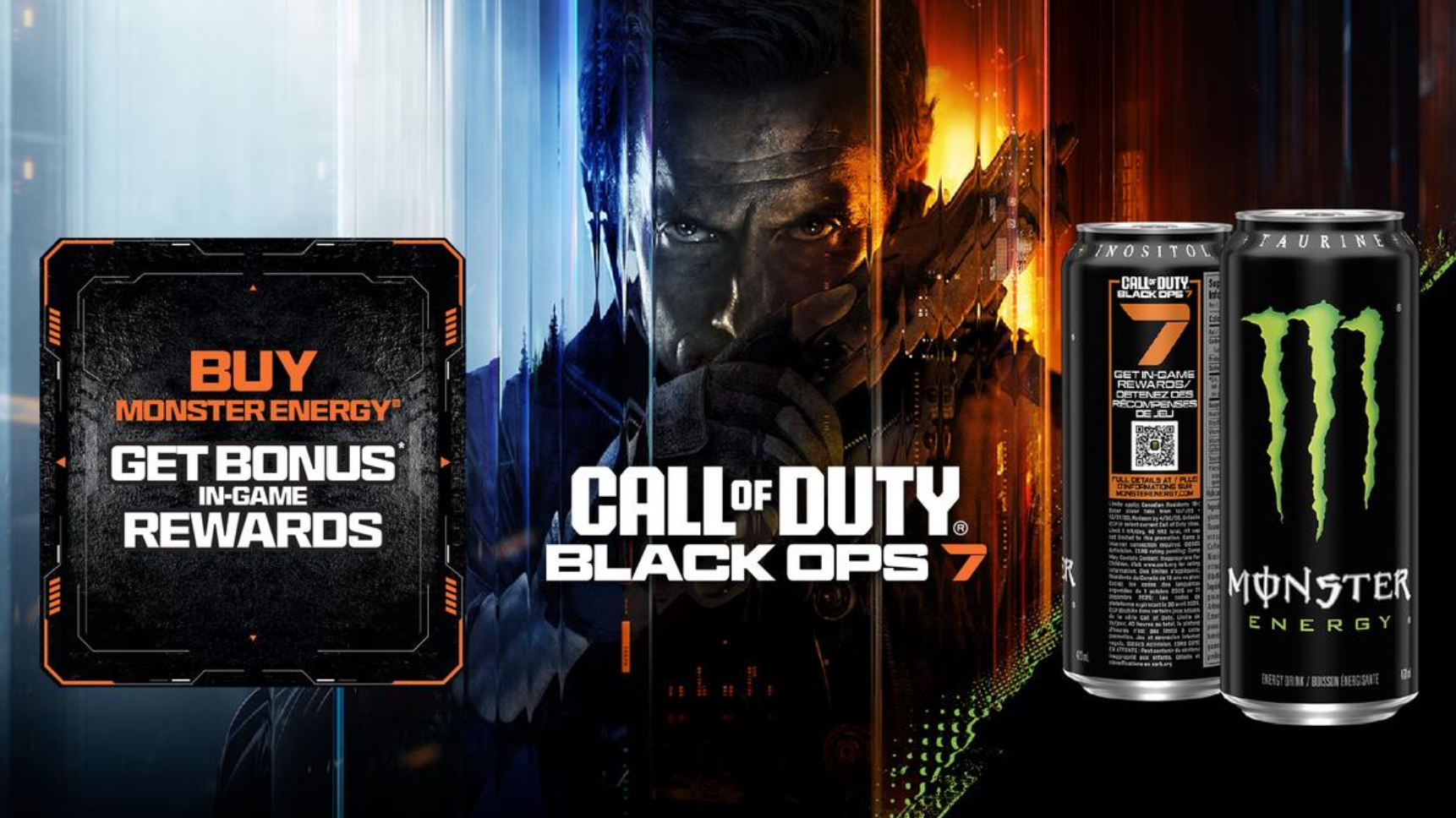
Across the UK and Europe, Monster Energy has been running a high‑visibility on‑pack promotion in partnership with Call of Duty ahead of Call of Duty: Black Ops 7. Select Monster cans and multipacks include unique QR codes or under‑tab codes that players can scan or enter online to unlock exclusive in‑game rewards, like double XP tokens, unique operator skins, and themed gear.

Coca-Cola’s partnership with the forthcoming James Bond video game 007 First Light connects a limited-edition Coke Zero Zero design to a reward ecosystem spanning custom consoles, collector's items, and hundreds of thousands of exclusive DLC codes. The result is a premium, fully loaded value exchange - one that rewards gamers not just with exciting prizes, but with a meaningfully enhanced player experience.
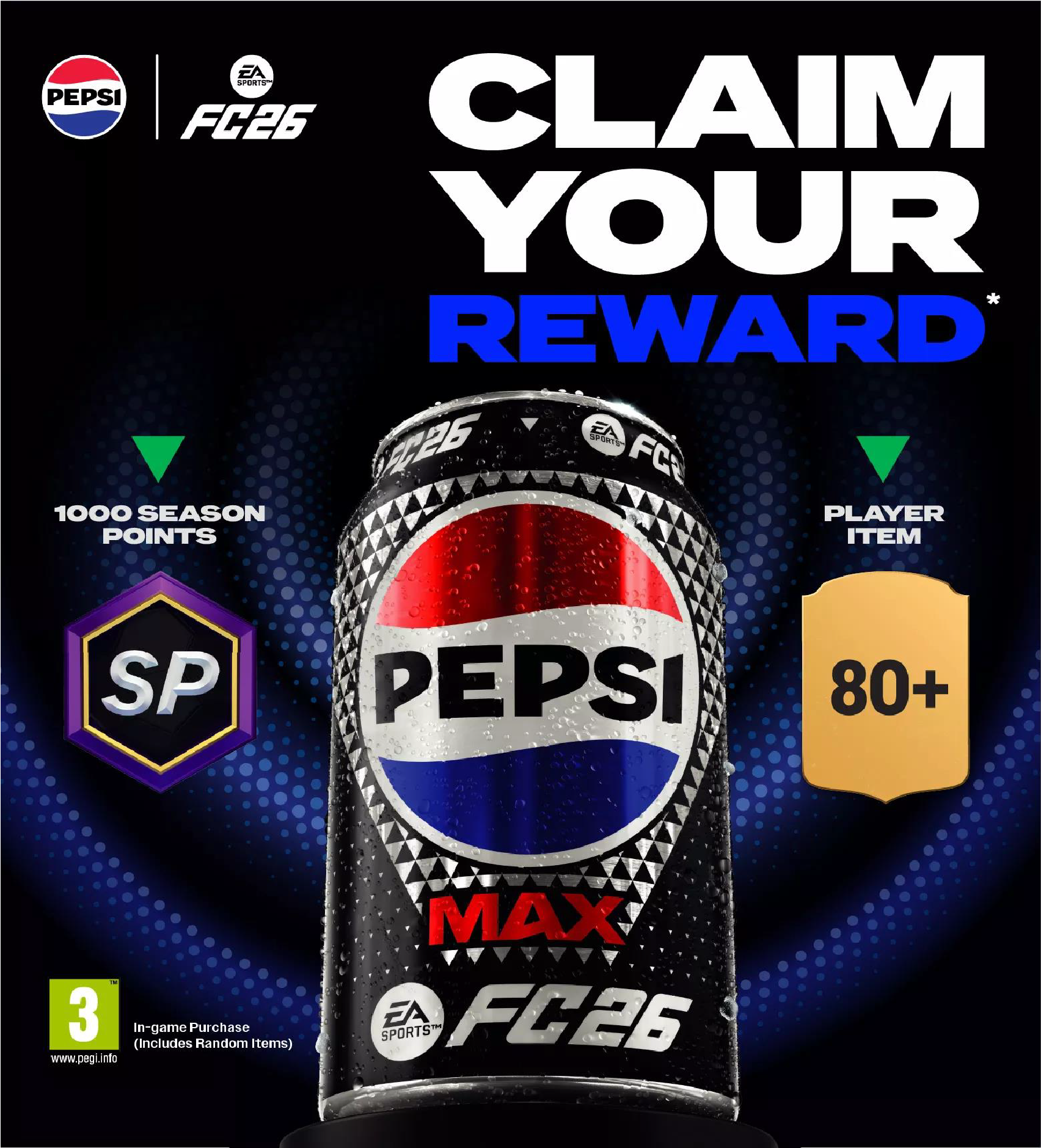
Pepsi’s recent European-wide on‑pack promotion invites shoppers to buy promotional Pepsi products, scan or enter the unique code found on the label, and link their Pepsi and EA accounts to receive in‑game reward packs for EA SPORTS FC™ 26. Each qualifying purchase entitles shoppers up to two in‑game reward sets, which include items redeemable across platforms like PlayStation, Xbox and PC.
Final Power-Up: Why In-Game Rewards Work for Brands
Taken together, these examples point to a clear shift in how value is being created in modern promotions.
In-game rewards work because they sit at the intersection of culture and commerce. They deliver guaranteed value rather than deferred hope, trade in experiences rather than discounts, and operate within digital ecosystems where consumers already understand the worth of virtual goods. For gamers, the value is intrinsic - identity, progression, status, and exclusivity. For shoppers, it’s practical and social - gifting utility, household relevance, and smart purchasing without eroding price integrity. For retailers, the upside is equally clear: bigger baskets, stock-up behaviour, and volume growth without margin pressure.
Crucially, the most effective programmes they respect the rules of the ecosystem they enter. They understand what gamers value, why certainty beats chance, and why unlocking something feels fundamentally different to entering something.
Backed by consumer psychology and proven across CPG case studies, on-pack in-game rewards represent a more evolved promotional model - one that builds engagement, protects margin, and drives meaningful commercial performance for brands willing to meet audiences where their passions already live.
Brand fame & fortune awaits.