When Cultural Truths Turn Against Your Brand

Brands spend a lot of time trying to tap into cultural truths.
The shared behaviours, tensions, and observations that people recognise instantly because they’re rooted in real life. When done well, these truths become powerful creative springboards, helping brands feel relevant, relatable, and emotionally connected.
The best brands don’t just identify these truths - they celebrate them, add value to them, and sometimes even solve them.
But what happens when the cultural truth working against you…is your own?
The uncomfortable truth: sometimes part of the problem is the brand
Not all cultural truths are flattering. Some are frustrations. Some are barriers. Some are the exact reasons people hesitate to buy.
And sometimes, they become inseparable from the brand itself.
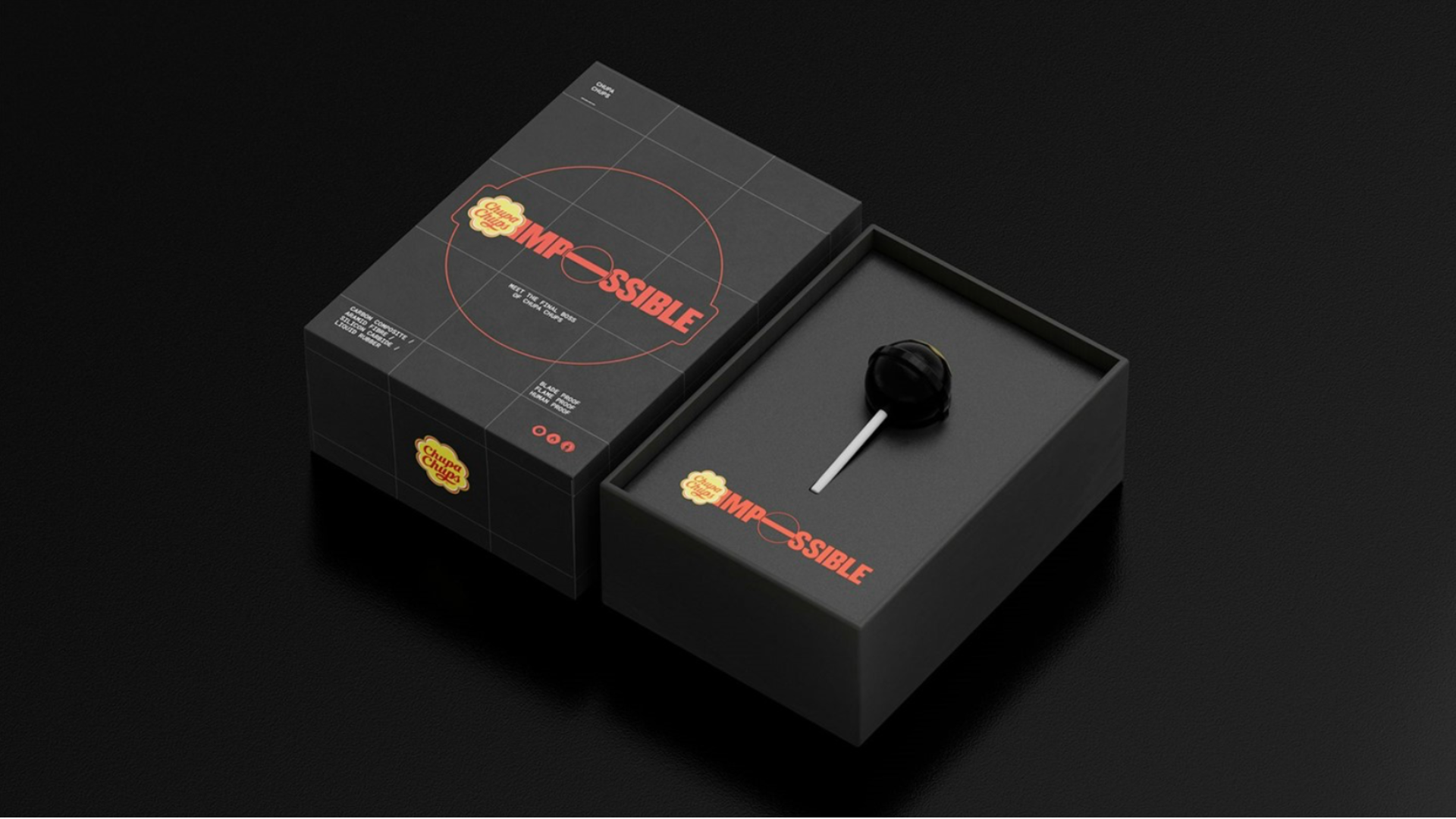
Take Chupa Chups.
A bright, nostalgic product - but also famously difficult to open. A small but universal friction point, passed down generations: kids handing lollies to adults, adults struggling just as much.
A shared experience, but not an entirely positive one.
Many brands would ignore this or quietly fix it.
Chupa Chups did something braver - they leaned into it.

Turning friction into fame
Rather than hide from the problem, Chupa Chups made it the idea.
First, with “Impossible” - positioning their lolly as the world’s hardest to open. Then evolving the idea through Mexican wrestling culture, where the struggle became the narrative. Wrestler masks, designed by a real lucha libre artisan, turned opening the lolly into a playful battle.
This is where partnership plays a powerful role.
By collaborating with a creator rooted in authentic culture, the brand gave the idea depth and credibility - moving beyond a product joke into something participatory and shareable.
Crucially, this wasn’t just communication.
They improved the packaging.
So the brand didn’t just acknowledge the truth. They resolved it, transforming a negative into something engaging and ownable.
When culture calls you out
Sometimes the cultural truth comes from how people talk about your brand.
The “Nothing Beats a Jet2 Holiday” TikTok trend is a clear example. What began as tongue-in-cheek content highlighting travel mishaps became a wave of user-generated critique.
Jet2 didn’t resist it - they embraced it.
Reposting content.
Launching a TikTok challenge.
Encouraging more people to share imperfect, real experiences.
Here, partnership took a different form. Instead of brand-to-brand, Jet2 partnered with its audience. Creators became co-authors, and the community became the channel through which the brand addressed the truth.
In doing so, they turned negativity into participation, visibility, and brand affinity.
Why partnership accelerates impact
Addressing a cultural truth, especially a negative one, requires more than acknowledgement. It requires proof.
Partnerships help deliver that by:
- Bringing cultural credibility
- Adding depth to the idea
- Enabling real solutions
- Unlocking participation
Often, a brand alone can only go so far.
The right partner helps it go further and faster with greater legitimacy.
Don’t avoid the truth - own it
The brands that build lasting relevance aren’t the ones that only align with positive truths.
They’re the ones that:
- Acknowledge reality (even when it’s uncomfortable)
- Engage with honesty and confidence
- Add value - emotionally or functionally
- Use partnerships to amplify impact
- And take action where it matters
Because consumers already know the truth: they’re living it, sharing it, and memeing it every day.
The role of the brand isn’t to rewrite the narrative.
It’s to participate in it meaningfully.
The real opportunity
So when a cultural truth emerges around your brand - especially one that feels uncomfortable - it’s worth asking:
Is this something to hide from?
Or something to build from?
And more importantly:
Who could you partner with to make your response more meaningful, credible, and impactful?
Because more often than not, the tension is the idea.
And the brands willing to lean into it - thoughtfully, creatively, and collaboratively - are the ones that turn relevance into genuine brand love.
Brand fame & fortune awaits.