Why Culture Is Becoming the Most Powerful Ingredient for Wellness Brands
Wellness has always been rooted in the pursuit of a better self. But that pursuit has expanded, from improving how we look, feel and perform to optimising almost every aspect of our lives. From how we eat, sleep and move to how we travel, socialise and spend, wellness is no longer confined to a set of products, practicesor moments; it’s now become a lens through which we make everyday choices.
And as its role in our lives has expanded, so too has the economy built around it.
The global wellness economy reached $6.8 trillion in 2024, more than doubling in size since 2013, and is projected to reach $9.8 trillion by 2029. Over that period, wellness grew at an average annual rate of 6.5%, around twice the 3.2% growth rate of the global economy.
Demand is intensifying too. McKinsey found that 84% of US consumers consider wellness a top or important priority in their everyday lives, while 56% say they are prioritising it more than they were a year ago.
But where demand grows, competition follows. New produc ts, platforms and propositions are proliferating across everything from supplements and functional drinks to wearables, fitness, sleep and mental wellbeing. For fast-growth and challenger brands, the opportunity is huge, but so is the fight for attention.
For years, science, expertise, functionality and results have formed the foundations of wellness marketing, all in service of the promise of a better self. While those things remain essential to earning consumer trust, in an increasingly competitive market, they are also becoming the price of entry rather than a source of meaningful differentiation.
Showcasing what a product does is no longer enough to set a brand apart. Brands need to give consumers something to connect and identify with beyond the product itself - that’s where culture comes in.
Wellness is no longer confined to the gym, the supplement aisle or the bathroom cabinet. It has become part of how people express identity, community and lifestyle. From running clubs and Pilates studios to cold-water swimming, sleep optimisation and the growing appetite for functional food and drink, wellness behaviours are fast becoming cultural signals and a way for individuals to express their personality.
For challenger brands, that creates an opportunity to build relevance that goes far beyond traditional influencer marketing.
The most effective partnerships are no longer simply about putting a product in front of the right audience. They are about earning a meaningful role within the communities, conversations and rituals that already matter to people.
That means thinking differently about how brands build credibility, placing cultural relevance at the heart of how they are built.
Consider the difference between sponsoring a wellness trend and becoming part of it. One creates visibility. The other creates belonging. In the next era of wellness, the brands that stand out won’t just tap into culture, they’ll earn a place within it. For fast-growth brands looking to turn momentum into lasting relevance, that distinction matters.
We’re already seeing brands use partnerships to make that leap. These are just some of the recent collaborations we’ve spotted out in the wild:
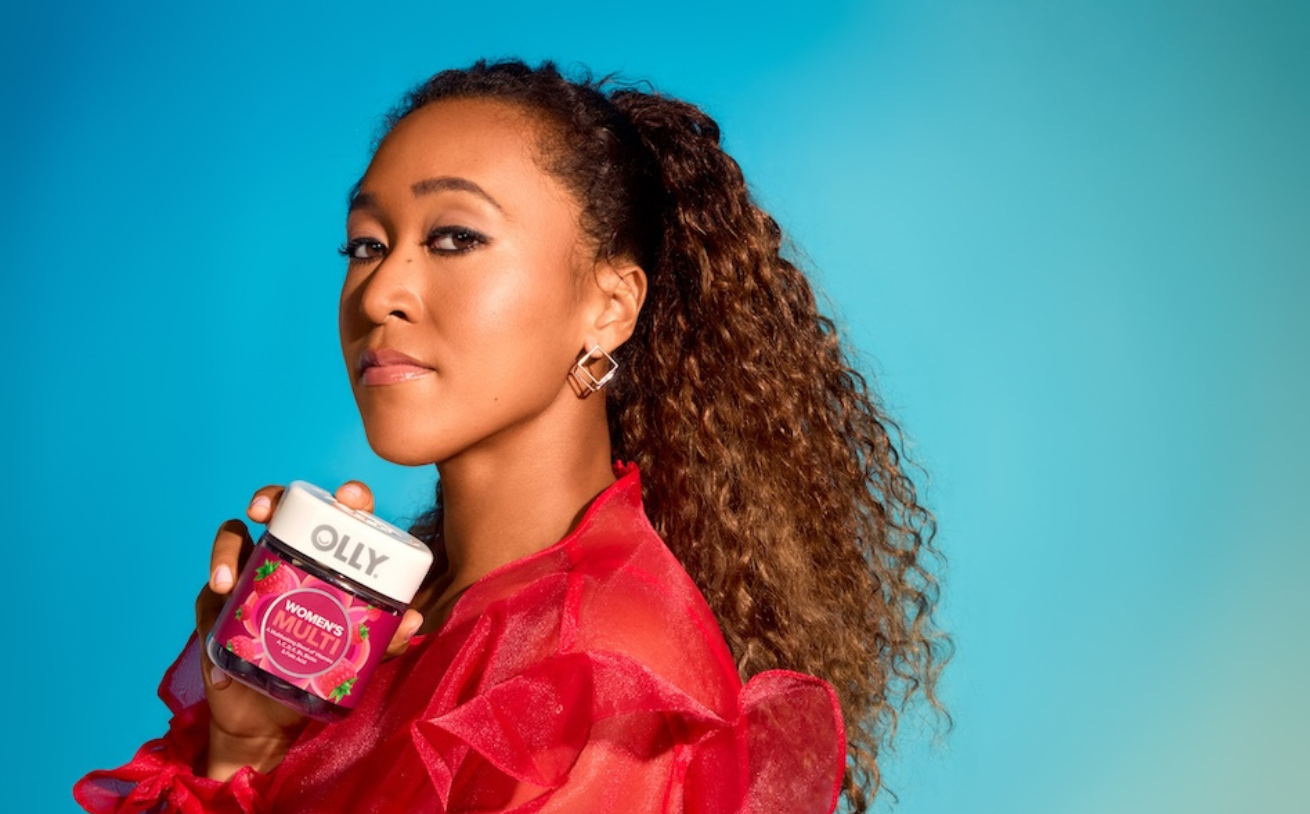
This collaboration offers another example of a wellness brand using partnership to participate in a much broader cultural conversation. Earlier this year, OLLY partnered with four-time Grand Slam champion Naomi Osaka on a year-long collaboration centred on the idea of “Do What Serves You”, encouraging women to prioritise their mental and physical wellbeing without guilt. Osaka has openly challenged the expectation that success means continually pushing through, from taking time away from tennis to speaking publicly about mental health and the pressures of motherhood. OLLY is therefore not simply borrowing the reach of a high-profile athlete, but aligning itself with a cultural conversation Osaka has already helped to shape. The partnership shifts the definition of strength from constant performance to knowing when to pause, reset and choose what serves you. In that sense, the collaboration gives OLLY something traditional product marketing cannot: a human and cultural context for what wellbeing actually means.
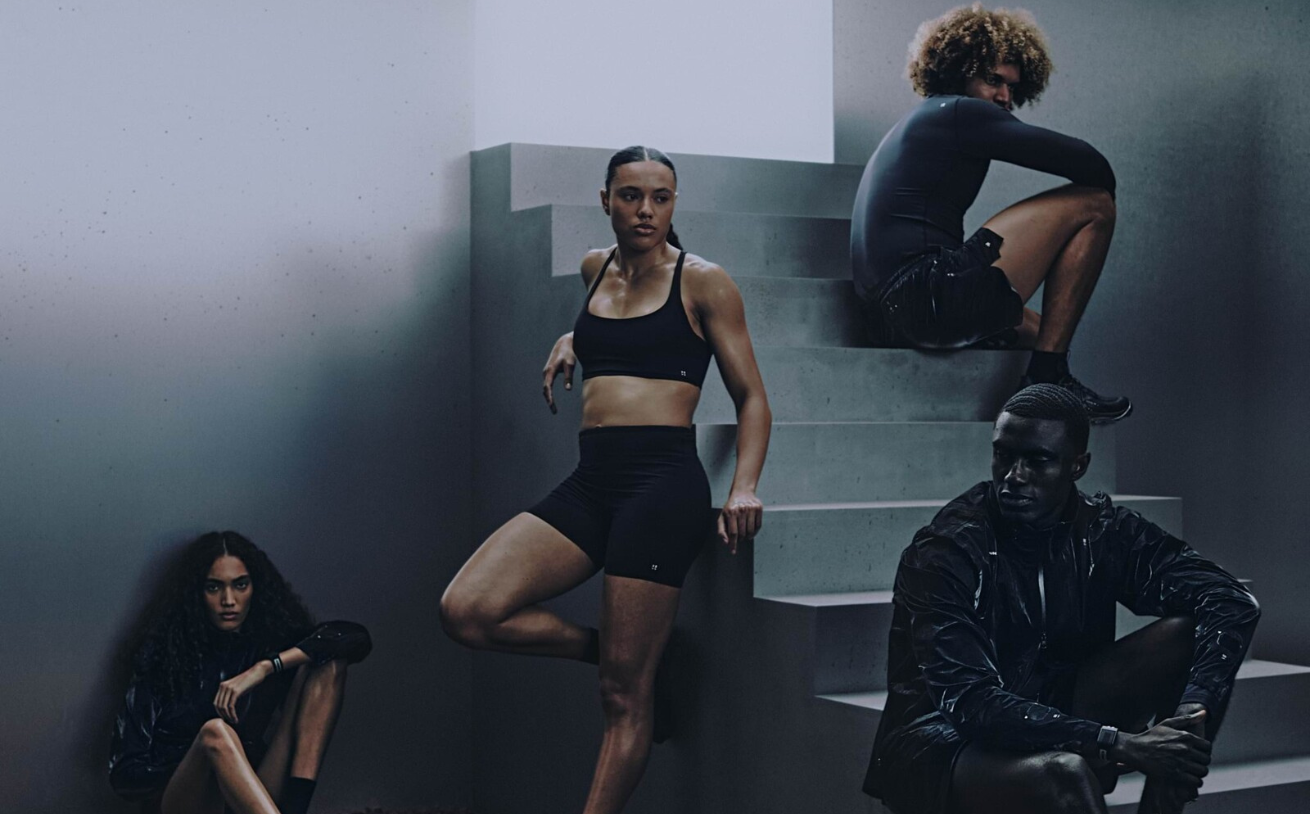
In 2026, WHOOP launched PROJECT TERRAIN, a multi-year collaboration with British designer Samuel Ross and his design studio SR_A. Rather than treating its wearable purely as a piece of performance technology, the partnership brings WHOOP into the worlds of fashion, industrial design and contemporary culture through technical apparel, outerwear and reimagined WHOOP bands. Crucially, the collaboration makes the device more visible rather than less: turning something designed to track performance into an expression of identity. The underlying technology hasn't changed, but the cultural language surrounding it has.
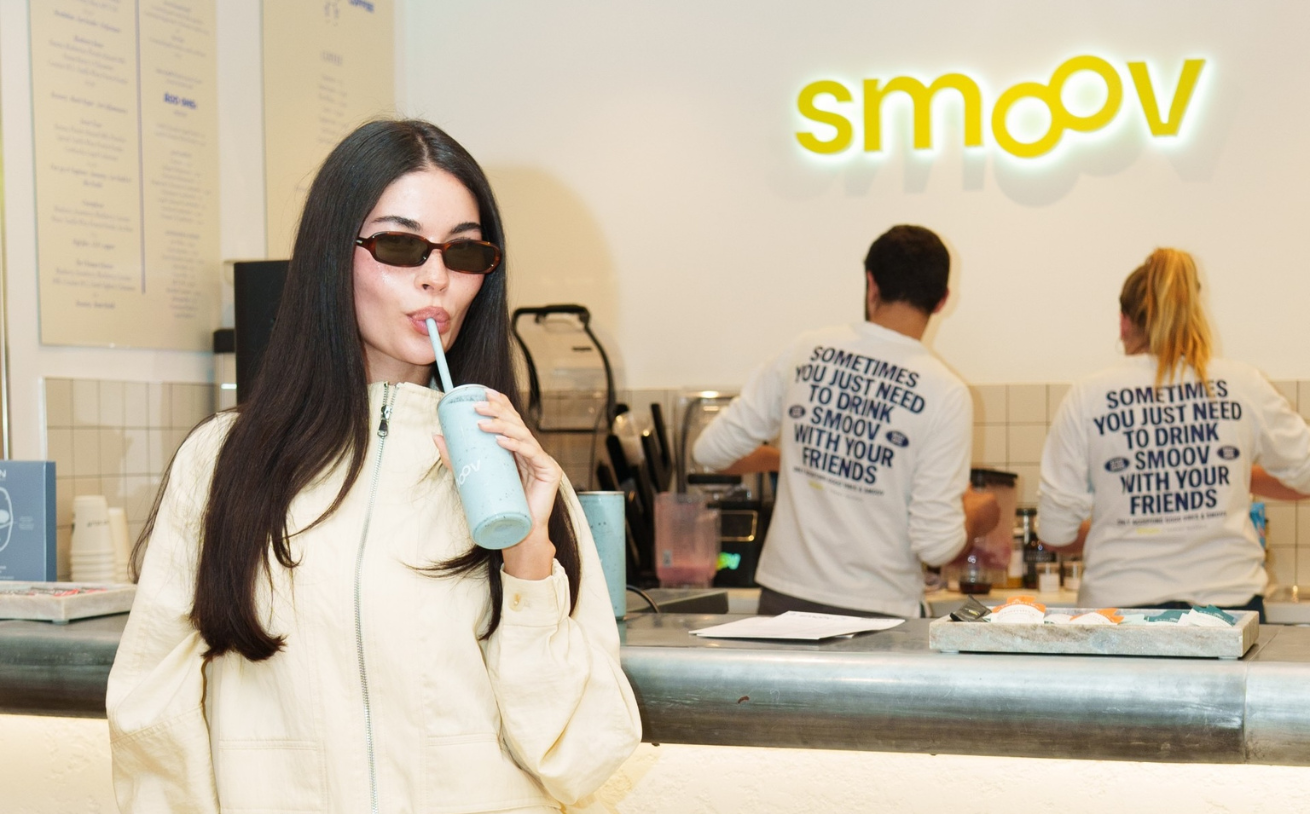
This collaboration shows how partnerships can help brands build a shared wellness ecosystem rather than simply exchange audiences. The 2026 partnership makes Smoov Healf's exclusive wellbeing beverage partner across its experiential programme, bringing the two brands together through events, activations and consumer experiences. Rather than positioning wellness as a product category, the partnership taps into the social and experiential side of the movement, where discovering products, attending events and connecting with like-minded people are increasingly part of the wellness experience itself.
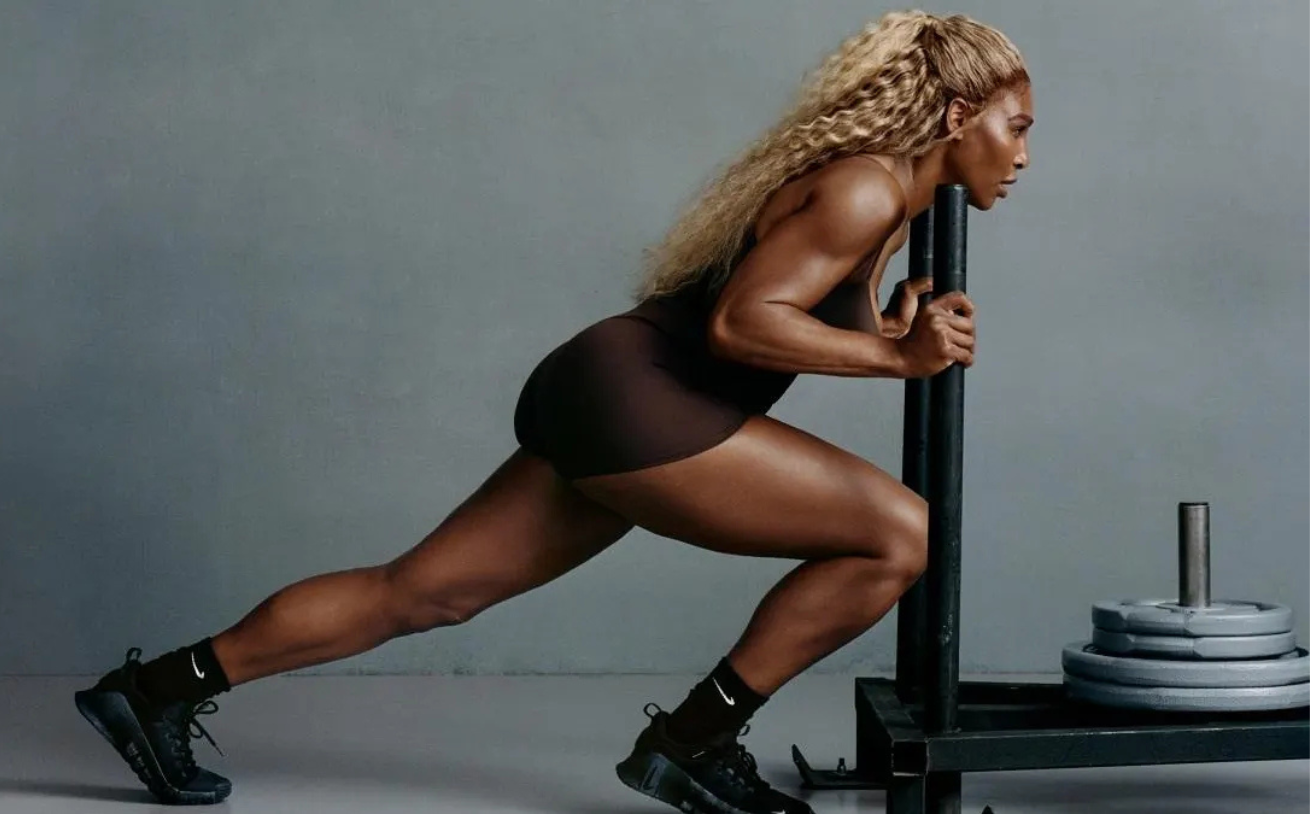
This partnership shows how far this convergence of wellness, performance and culture can go. Announced in 2025, the partnership between Nike and SKIMS wasn't framed as a capsule collaboration but as an entirely new brand, combining Nike's sport science and performance credentials with SKIMS' influence around body confidence and style. Its first collection brought together more than 50 athletes alongside Kim Kardashian, deliberately collapsing the distinction between elite sport, studio fitness, fashion and everyday life. Rather than asking women to choose between performance and self-expression, NikeSKIMS is built around the idea that the two increasingly belong together.
What connects these partnerships isn’t simply reach. It’s relevance. Each gives the brand a credible role in a world its audience already cares about. For fast-growth wellness brands, that can be powerful. Product innovation might get you noticed, but cultural relevance can give people a reason to choose you, talk about you and keep coming back. The right partnership can turn a proposition into something bigger, a ritual, a community, an identity or a point of view.
But relevance must be earned. That means choosing partners for cultural fit, not just follower count, contributing to communities rather than simply marketing at them, and building collaborations that feel credible rather than transactional.
So, the question isn’t simply, who can help us reach more people? It’s where does our brand have a right to participate, and who can help us earn a place there?
For challenger brands competing against bigger budgets and more established names, that may be culture’s greatest advantage. You don’t have to outspend the category to become meaningful within it.
If you’re building a wellness brand with ambitions to scale, we can help you find the partnerships and cultural spaces that turn relevance into growth.
Brand fame & fortune awaits.